How Physiological Processes Maintain Weight Stability
Published: February 2026
Introduction to Body Weight Homeostasis
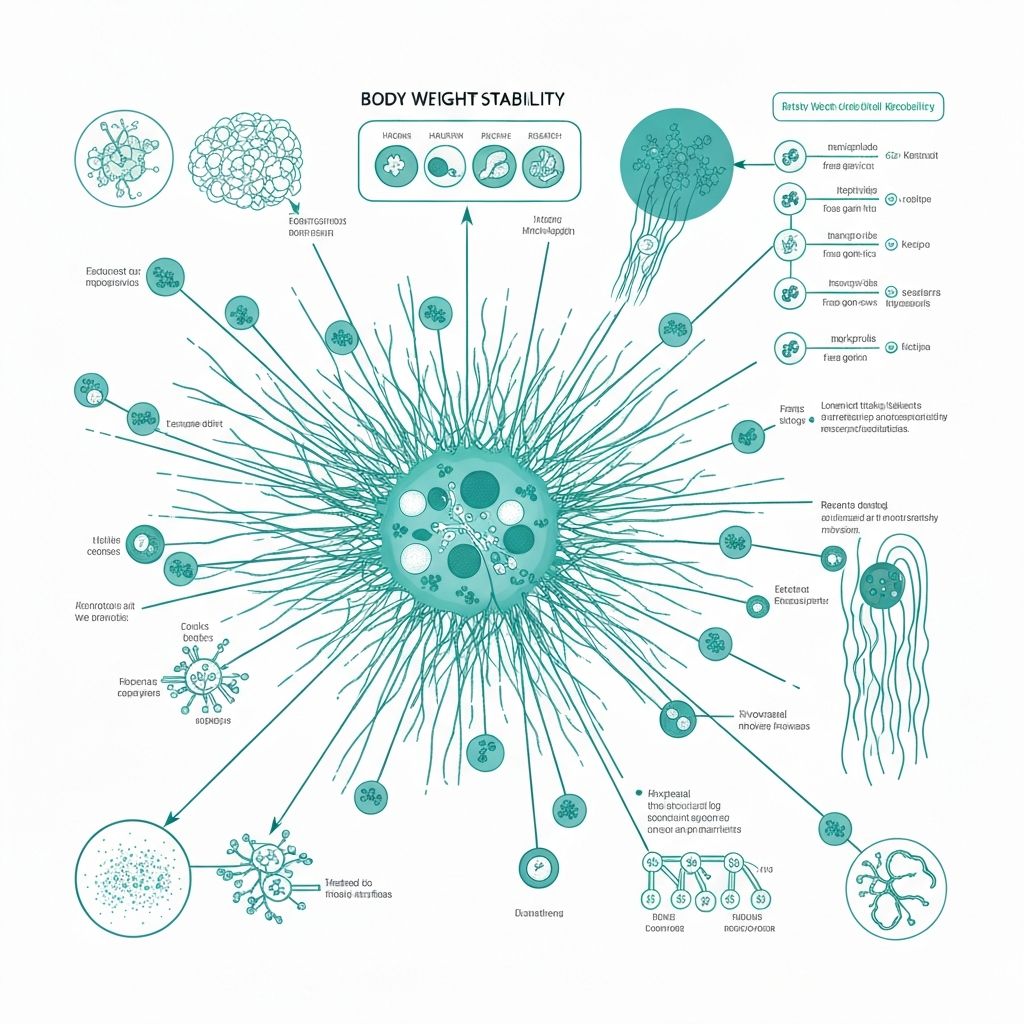
Body weight regulation represents one of the most complex physiological processes in human biology. Rather than remaining static, body weight exists in dynamic equilibrium—a state maintained through continuous interaction between multiple regulatory systems.
The human body possesses sophisticated mechanisms designed to detect nutrient availability, metabolic demand, and energy status. These systems communicate through neural pathways, hormonal signals, and metabolic responses that collectively work to maintain relatively stable body composition across time.
Understanding these mechanisms provides foundation for examining how dietary patterns, physical activity, environmental factors, and lifestyle choices integrate into overall physiological function.
Energy Balance and Metabolic Processes
The principle of energy balance provides fundamental framework for understanding body weight regulation. Body weight remains stable when energy intake approximately equals energy expenditure over extended time periods.
Energy expenditure encompasses three primary components:
- Basal Metabolic Rate (BMR): Energy required for essential physiological functions including heart rate, respiration, cellular processes, and temperature regulation at rest.
- Thermic Effect of Food: Energy expended during digestion, absorption, and processing of nutrients from food intake.
- Physical Activity Expenditure: Energy used during structured exercise and daily movement patterns.
Each component represents variable proportions of total daily energy expenditure depending on individual factors including age, sex, body composition, activity level, and genetic characteristics.
Central Nervous System Regulation
The hypothalamus, a small region at the base of the brain, functions as the primary regulatory center for body weight control. This structure contains specialized neural circuits that respond to various signals indicating nutritional status and energy availability.
The lateral hypothalamus responds to signals indicating energy deficit, promoting appetite and food-seeking behavior. The ventromedial hypothalamus responds to satiety signals following nutrient intake, promoting feelings of fullness and food termination.
These neural regions integrate information from multiple sources including circulating hormones, nutrient availability, temperature changes, and sensory input from gastrointestinal distension.
Hormonal Signaling Systems
Hormonal communication provides crucial feedback mechanism for energy status regulation. Multiple hormones coordinate body weight maintenance through their effects on appetite, metabolic rate, and energy utilization.
Leptin, produced by adipose tissue, circulates in proportion to body fat mass. This hormone signals energy sufficiency to the central nervous system, promoting satiety and reducing appetite. As body fat decreases, leptin signaling diminishes, increasing appetite to restore energy reserves.
Ghrelin, produced primarily by the stomach, signals energy deficit and promotes appetite and food intake. Ghrelin increases before meals and decreases following nutrient consumption, creating cyclical patterns aligned with eating occasions.
Insulin, produced in response to glucose intake, signals nutrient availability and promotes energy storage. Insulin also communicates nutritional status to the central nervous system, influencing subsequent appetite and energy expenditure.
Peptide YY and GLP-1, released from intestinal cells following nutrient absorption, promote satiety and reduce subsequent food intake, contributing to appetite regulation across multiple hours.
Metabolic Adaptation
The body demonstrates remarkable capacity for metabolic adaptation in response to changing energy availability. When caloric intake decreases, metabolic rate declines to some degree, slowing energy expenditure to conserve body resources.
Conversely, during periods of sustained energy surplus, metabolic rate may increase slightly, promoting additional energy expenditure. These adaptive mechanisms protect body energy stores during scarcity and prevent excessive accumulation during abundance.
However, metabolic adaptation operates within biological constraints. Extreme caloric restriction produces significant metabolic reduction, while energy surplus produces more modest metabolic increases—asymmetry reflecting evolutionary pressures favoring energy conservation.
Individual Variation in Body Weight Regulation
Genetic variation influences multiple parameters affecting body weight regulation including baseline metabolic rate, hormonal sensitivity, appetite regulation patterns, and efficiency of nutrient utilization.
Twin studies demonstrate substantial heritability of body weight, suggesting genetic factors account for significant individual variation in body weight set points and regulation efficiency.
Beyond genetics, environmental factors including dietary composition, physical activity patterns, sleep quality, stress levels, and social meal patterns create context for individual body weight trajectories.
Limitations and Individual Considerations
Body weight regulation involves extraordinary physiological complexity. This overview describes general principles while acknowledging that individual variation extends to all regulatory mechanisms.
Disease states, medication use, metabolic disorders, and other medical conditions can substantially alter body weight regulation patterns. Similarly, aging produces changes in multiple regulatory parameters.
This information provides educational context for understanding physiological processes. It does not constitute medical advice or prediction of individual outcomes.
Information Limitations
This article presents scientific concepts in educational context. Individual physiological responses vary based on genetics, health status, medication use, lifestyle factors, and numerous other variables.
Consult qualified healthcare professionals regarding personal health questions, dietary modifications, or changes to physical activity patterns.