Azure Coastal Nutrition Science

Exploring the physiological mechanisms of body weight homeostasis through scientific examination of Mediterranean nutritional patterns

Featured Insights

Physiological Mechanisms of Weight Homeostasis

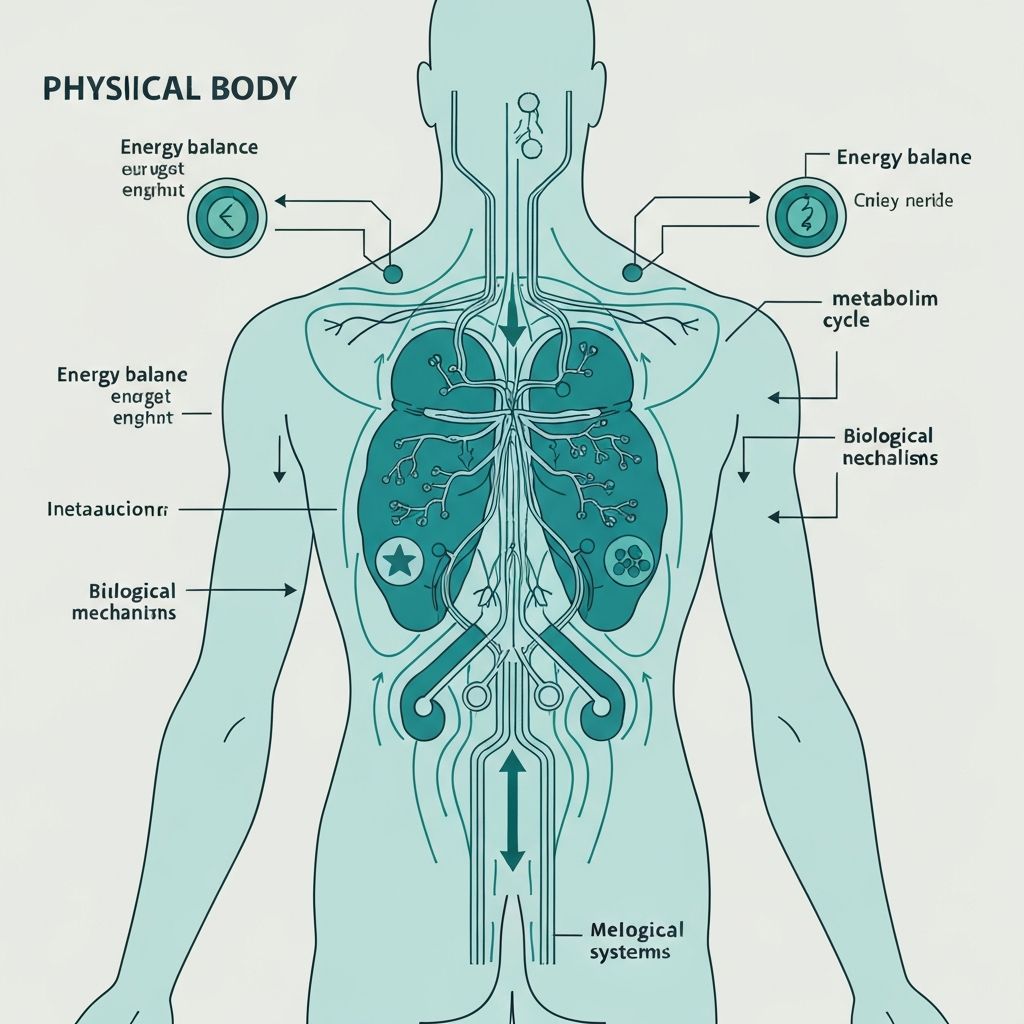
Body weight regulation represents a complex physiological process involving multiple interconnected systems. The human body maintains weight through sophisticated mechanisms of energy intake, expenditure, and storage.

The hypothalamus and related neural systems coordinate responses to nutrient availability, hormonal signals, and metabolic demands. These regulatory mechanisms operate continuously to maintain what scientists term "dynamic equilibrium" in body composition.

Understanding these mechanisms provides context for how various lifestyle factors, including nutrition quality and physical activity patterns, integrate into overall physiological functioning.

Physiological weight regulation mechanisms

Azure Mediterranean Coastal Nutrition

Fresh Mediterranean seafood and citrus

Fresh Coastal Foods

The Mediterranean coastal regions provide access to distinctive food patterns characterized by fresh seafood, citrus fruits, and locally cultivated herbs. These foods contain varied micronutrient profiles and bioactive compounds.

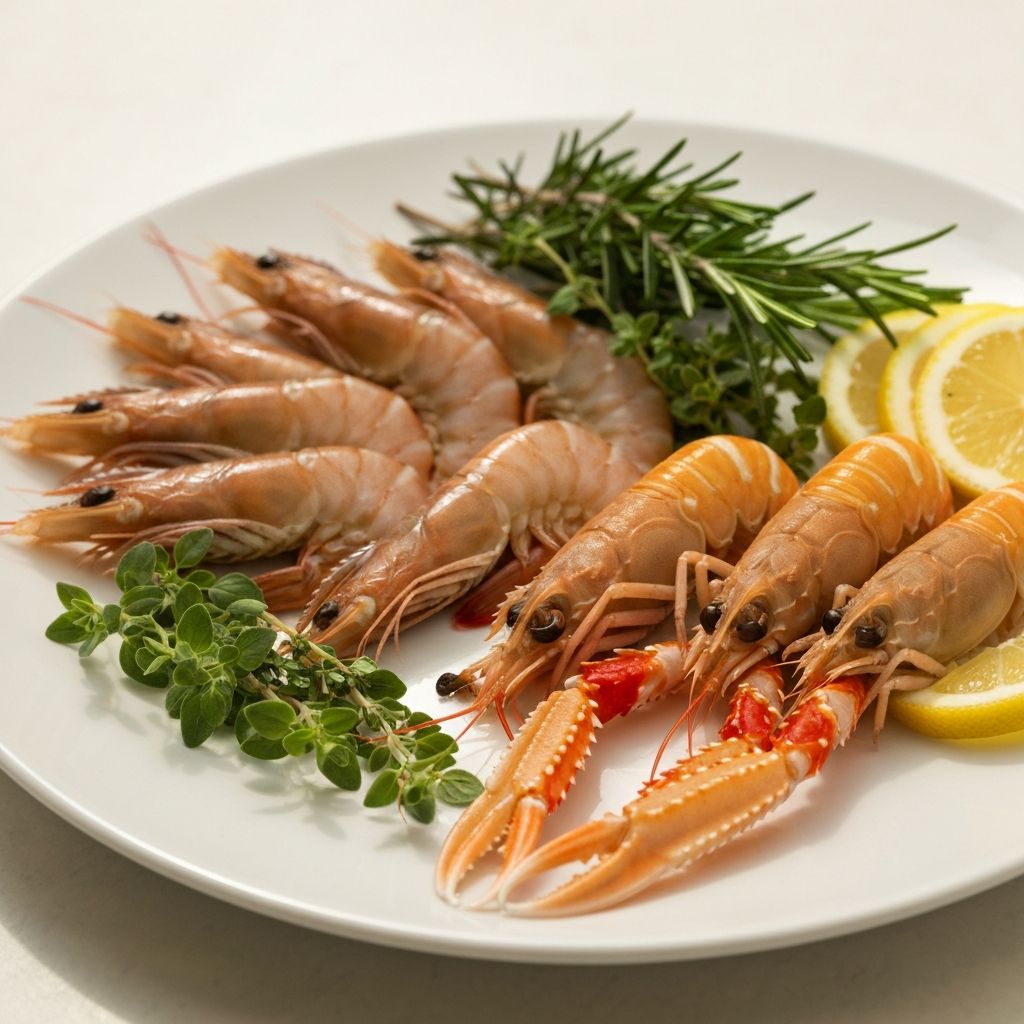
Scientific examination reveals that Mediterranean coastal diets typically feature oysters, shrimp, and other shellfish rich in minerals, proteins with favorable amino acid compositions, and minimal saturated fat content.

Citrus fruits from coastal regions provide vitamin C, flavonoids, and fiber. The combination of these food categories creates diverse nutritional environments across Mediterranean populations.

Olive Oil and Coastal Herbs

Premium olive oil represents a cornerstone of Mediterranean nutritional patterns, providing monounsaturated fats and polyphenolic compounds. Scientific literature documents the bioavailability of these components through culinary applications.

Mediterranean herbs including oregano, thyme, rosemary, and basil contain essential oils and phytochemical compounds that have been studied for their metabolic properties in nutritional science contexts.

The integration of these components into daily nutritional patterns reflects centuries of coastal food preparation traditions across Mediterranean regions.

Mediterranean olive oil and fresh herbs
Fresh Mediterranean seafood arrangement

Seafood and Herbs in Energy Balance

Seafood comprises a significant component of Mediterranean coastal nutrition patterns. Shellfish and finfish provide protein, omega-3 fatty acids, trace minerals including iodine and selenium, and water-soluble vitamins.

From a metabolic perspective, the protein content of seafood requires significant digestive energy expenditure. The micro and macronutrient density of coastal seafood creates contexts for diverse metabolic responses.

Herbal components add aromatic compounds and trace nutrients to seafood preparations, contributing to the overall nutritional complexity of Mediterranean coastal meals without added caloric density.

Frequently Asked Questions

What is body weight homeostasis?

Body weight homeostasis refers to the physiological mechanisms through which the body maintains relatively stable weight through regulation of energy intake and expenditure. This involves complex interactions between neural, hormonal, and metabolic systems that respond to nutritional and environmental signals.

How do Mediterranean coastal foods differ from other regional patterns?

Mediterranean coastal regions have access to distinctive food categories including fresh shellfish, Mediterranean herbs, locally-grown citrus, and premium olive oil. The specific combination of these foods and their preparation methods reflects regional availability and cultural food practices developed over centuries.

What role does hydration play in coastal lifestyles?

Water intake and hydration status influence various physiological processes including metabolic rate, nutrient transport, and thermoregulation. Coastal environments with Mediterranean climates historically encouraged regular hydration through daily habits and cultural practices around beverages including water, herbal teas, and infusions.

Is Mediterranean coastal nutrition the same everywhere?

No. Mediterranean nutrition patterns vary based on local availability, seasonal production, economic factors, and cultural traditions across different coastal regions. The pattern described here reflects the specific characteristics of French Riviera and nearby Mediterranean coastal areas.

How do coastal habits influence metabolic function?

Coastal lifestyles often include factors such as regular moderate physical activity through walking and outdoor recreation, exposure to natural light and circadian rhythm regulation, social meal patterns, and ambient temperature variations. These environmental and behavioral factors integrate into overall metabolic context.

Hydration and Coastal Lifestyle Factors

Mediterranean coastal environments create specific contexts for hydration and daily physical activity patterns. The pleasant climate encourages outdoor recreation and regular movement throughout the day.

Historical patterns in Mediterranean coastal regions show emphasis on regular hydration through water, herbal infusions, and other beverages integrated into daily routines. The availability of fresh herbs for tea preparation reflects local cultivation patterns.

Temperature regulation through adequate hydration interacts with metabolic processes and daily activity patterns. Coastal walking paths and outdoor social gatherings create natural opportunities for physical engagement in daily life.

Mediterranean coastal lifestyle and hydration
Mediterranean coastal landscape

Common Misconceptions About Seaside Diets

Media and commercial representations often oversimplify Mediterranean nutrition patterns into simplistic frameworks disconnected from actual physiological complexity. This section clarifies scientific understanding versus popular misrepresentations.

Mediterranean coastal nutrition represents complex food patterns influenced by geography, agriculture, economics, and culture—not magic formulas or quick solutions. Individual responses to foods vary based on genetics, current metabolic state, activity level, and other factors.

The seafood and produce accessible in Mediterranean regions provide nutritional diversity and quality ingredients. However, dietary patterns represent only one factor among many influences on body composition, health markers, and physiological function.

Scientific understanding emphasizes the importance of consistent lifestyle patterns, individual variation, and comprehensive health approaches rather than isolated nutritional interventions.

Explore the Science

Educational Content Only. No Medical Services. No Promises of Outcomes.

This website provides scientific and educational information about Mediterranean coastal nutrition patterns and physiological processes. It is designed as an informational resource and knowledge hub.

For specific health concerns or personalized guidance, consult qualified healthcare professionals. Individual responses to dietary and lifestyle factors vary significantly.

Read Full Blog Articles